
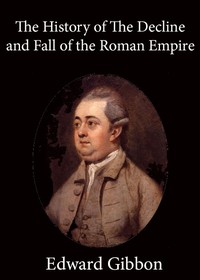
History of the Decline and Fall of the Roman Empire — Volume 1 by Edward Gibbon
Let's be clear: this isn't a novel. There's no single protagonist. The 'story' here is the story of an empire over two centuries. Gibbon picks up in 98 AD, when Rome was arguably at its most stable and prosperous. He walks you through the reigns of 'good' emperors like Trajan and Marcus Aurelius, showing a world that seemed unshakable. Then, he starts tracing the threads that would later unravel everything.
The Story
The narrative follows the transformation of Roman political life. It shows how the office of emperor became a prize fought over by the military, leading to constant civil wars. Gibbon examines the empire's vast size and how difficult it was to govern and defend. He spends a lot of time on the rise of Christianity, not just as a new religion, but as a force that changed how people viewed their loyalty—shifting it from the state to their faith. By the end of this volume, you've seen the solid foundation of the 'Golden Age' develop serious fractures under the pressure of internal conflict, economic strain, and external threats.
Why You Should Read It
You should read it because Gibbon has a point of view. This isn't a bland list of dates and battles. He's giving you an argument about why things fell apart. His prose is formal but often witty and sharp. He'll pause to critique a foolish emperor or dissect a flawed policy. Reading it feels like having a brilliant, slightly opinionated guide walking you through a grand museum of the past. The themes—the corruption of absolute power, the tension between tradition and change, the role of faith in society—feel incredibly relevant today. It makes you think about what holds any large nation together, and what can pull it apart.
Final Verdict
This book is perfect for patient readers who love big-picture history and don't mind prose from a different era. It's for anyone fascinated by politics, power, and the lifecycle of civilizations. It's not a quick, easy read, but a deeply rewarding one. Think of it as the foundational text for every 'Fall of Rome' documentary you've ever seen. If you commit to it, you'll come away understanding the ancient world—and maybe our own—a whole lot better.
This masterpiece is free from copyright limitations. Access is open to everyone around the world.
Lisa White
1 year agoI had low expectations initially, however the depth of research presented here is truly commendable. Don't hesitate to start reading.


John Jackson
8 months agoThis work demonstrates a clear mastery of contemporary theories.